
Is it possible to find a true love after 50 years in a canada marriage agency?
09.02.2022
Don’t flaunt: foreign men don’t like artificiality
09.02.2022Where Do the Most Beautiful Women in the World Live (and Why the Answer Depends More on Perspective Than on a Country)
The question comes up constantly: which country has the most beautiful women in the world? You see it in forums, videos, “top 10” lists, and casual conversations. But once you look a little closer, one thing becomes obvious: there is no universal, definitive answer.
Talking about the most beautiful women in the world is never only about facial features. Beauty is shaped by culture, time period, fashion, grooming habits, and even what we consume online. A country can become “famous” because its women have a particular relationship with style, presentation, or social expectations—but that doesn’t turn beauty into a scientific ranking.
This article gives you a practical, clear approach:
- why certain countries are mentioned again and again when people talk about the most beautiful woman in the world,
- what those “rankings” are actually worth,
- and how to avoid clichés if your goal is dating and meeting someone—not building a fantasy.

Table of Contents
Why Beauty Rankings by Country Are Always Debatable
People often look for the most beautiful women in the world by country, as if beauty could be measured like height. In reality, these lists usually reflect three things:
Cultural standards
In some countries, appearance, styling, clothing, makeup, and hair are more socially emphasized. That can create the impression that “average beauty is higher,” when it’s really about habits and social codes.
Media visibility
Beauty pageants, social media, fashion, film, and influencers make certain regions more prominent in the public imagination. The result: people connect specific countries with the idea of “beauty” more easily.
The outsider’s bias
When you visit a new country, everything feels different—and therefore more striking. Novelty amplifies perception. That’s often where the thought comes from: “women here are incredible.”
So yes, you can talk about the most beautiful women in the world by country, but you should do it with a cool head.
Countries Often Mentioned When People Ask “Where Are the Most Beautiful Women in the World?”
You’ll notice the same countries pop up again and again. Not because they “win” objectively—but because they’re highly visible or linked to certain beauty ideals.
1) Brazil
Brazil is often mentioned for its diversity, body culture, and strong focus on appearance. Many people see a “natural + glamorous” blend. It’s one of the most cited answers in conversations about beautiful women of the world.
2) Colombia
Colombia is frequently named for style, energy, and the importance given to appearance in some cities. Diversity also plays a major role—many different looks, which fuels the impression of “beauty everywhere.”
3) Venezuela
Venezuela is strongly associated with beauty pageants and a culture that places high value on aesthetics. That reinforces the idea of a country of the most beautiful woman in the world in the collective imagination—even though that obviously doesn’t mean everyone fits one standard.
4) Sweden / Northern Europe
Northern Europe (Sweden, Norway, Denmark, Iceland) is often cited due to stereotypes about lighter features, but also because the “clean, simple, natural” style appeals to many. Here it’s not only about beauty—it’s about the overall impression of health, balance, and understated confidence.
5) Russia / Eastern Europe
Many rankings place Russia very high. Part of the reputation comes from feminine presentation, style, and strong online visibility. But focusing on a single place as the most beautiful woman in the world country quickly slides into stereotypes.
6) Ukraine
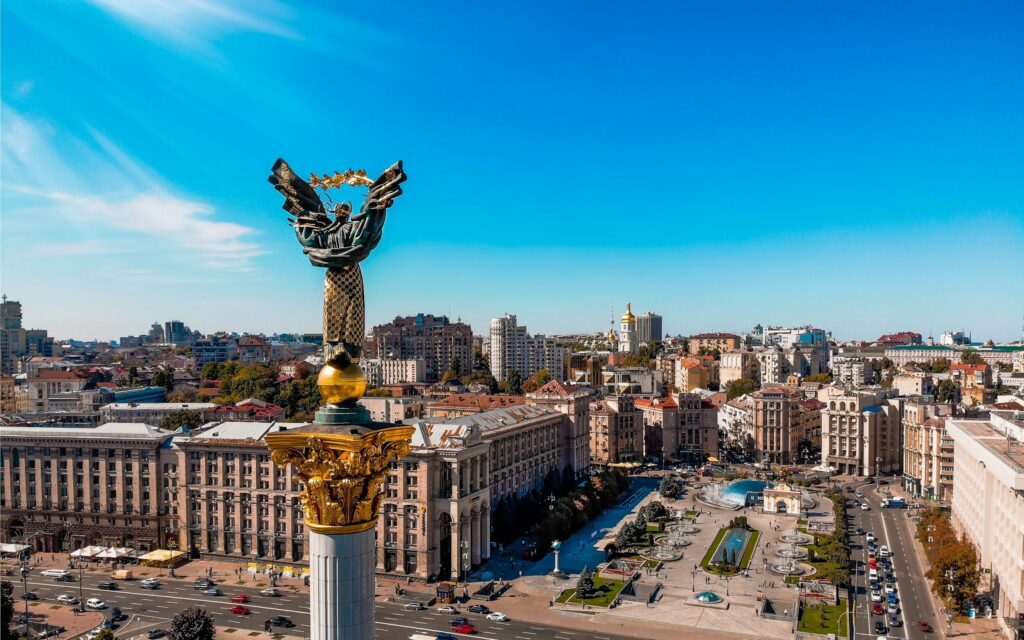
Ukraine is often mentioned in discussions about the most beautiful women in the world. What stands out for many visitors is the combination of femininity, grooming, and presence. In several big cities, you’ll notice real effort in style: outfits, hair, details.
But reducing Ukraine to a “beauty factory” is a mistake. Differences between regions, lifestyles, ages, and social environments are huge. And most importantly: beauty alone doesn’t build a relationship.
What the Question “The Most Beautiful Women in the World” Really Says About You
When someone searches “which country are the most beautiful women in the world from?” there’s often a hidden question behind it:
- “Where do I have the best chances to meet a woman I’m attracted to?”
- “Where do dating codes fit me better?”
- “Where do women invest more in their appearance?”
- “Where does dating feel more serious and less vague?”
In other words, you’re not only chasing the most beautiful women in the world. You’re looking for a context where you feel comfortable.
If Your Goal Is Dating, What Matters More Than the “Country”
1) Your intentions
You can meet the most beautiful woman in the world in your eyes—and lose everything if you’re vague, inconsistent, or unreliable. On the other hand, you can build something strong with someone who looks “less perfect in photos” but fits your real life.
2) Values and lifestyle
Relationships stand on practical things: daily rhythm, communication style, view on family, plans, distance, and how you handle disagreements.
3) Your approach
Many men lose a real opportunity in the very first message by speaking to a “country” instead of a person.
If you want a real exchange: respect, curiosity, simple questions—no heavy comments about her body.
Online Dating: How to Avoid Wasting Time
If you’re interested in Eastern Europe, you’ll come across platforms and agencies. The point isn’t the “magic website,” but your method.
On sites like ukreine.com, you can chat with profiles that are oriented toward serious dating. But no matter the platform, one rule matters: verify before you get emotionally invested.
Quick checklist before you invest emotionally
- A consistent profile (age, city, story that doesn’t keep changing)
- Varied, credible photos (not only studio/glamour shots)
- Willingness to do a video call fairly early
- Clear answers (not constant dodging)
- No sudden financial “emergency” stories or fast pressure
A real relationship is built with time, simple proof, and natural progress.
The Mistakes Most Men Make (and How to Avoid Them)
Mistake 1: Talking as if “all women” from one country are the same
Sentences like “Ukrainian women are all…” kill the conversation. What she hears is: “I don’t see you as a person.”
Do instead: speak about yourself—what you want, what you respect, what you can offer.
Mistake 2: Confusing beauty with compatibility
Beauty attracts. Compatibility builds.
Do instead: ask about real life—work, family, routine, goals, relationship expectations.
Mistake 3: Rushing
Many men try to “lock it in” fast. The result: pressure, suspicion, emotional shutdown.
Do instead: move forward with a clear plan, without forcing it: message → video call → meeting → decision.

Conclusion: “The Most Beautiful Women in the World” Isn’t a Destination—It’s a Filter
Yes, some countries show up more often in searches for the most beautiful women in the world by country. But the real answer to which country are the most beautiful women in the world from depends on your taste, your culture, and what you truly want.
If you just want to dream, rankings are enough.
If you want to meet someone, the best strategy is simple: clarity, respect, consistency, and verification.
FAQ (Short and Useful)
Which country has the most beautiful women in the world?
There’s no single truth. The most cited countries change depending on culture, media, and personal preferences.
Why does Ukraine often appear in searches for “most beautiful woman in the world country”?
Because grooming culture in some cities is strong and online visibility is high. But that says nothing about relationship compatibility.
Do “the most beautiful women in the world by country” rankings really exist?
Mostly as entertainment. Beauty isn’t objectively measurable by country.
How can I meet women from Eastern Europe without stereotypes?
Talk to the person, not the origin: simple questions, respect, clear intentions, logical progress.
What’s the best way to meet a Ukrainian woman?
Travel (when possible) or online. In both cases: verification, patience, and consistency.