

What If We Dated Differently? Catholic Dating Tips When Meeting Ukrainian Women
14.01.2026
What Is It Like to Be a Woman in Russia?
19.01.2026Tourism in Ukraine in 2026: What Travel Really Looks Like Today
Traveling to Ukraine in 2026 is not something people decide on impulse. The country is living through one of the most difficult chapters in its modern history. War has reshaped daily routines, limited transport options, and introduced a level of security awareness that visitors must be prepared for. And yet, Ukraine is not closed to the outside world. Journalists, volunteers, international professionals, and carefully prepared travelers continue to arrive — not chasing adventure, but seeking understanding.
Modern travel to Ukraine has little in common with casual weekend tourism. It requires preparation, emotional maturity, and respect for the realities on the ground. For visitors coming from Europe, the United States, or Canada, the journey often becomes more than a trip. It turns into a way to see how people live under pressure, how culture survives uncertainty, and how human connections — including meeting Ukrainian women — still happen naturally, without scripts or illusions.
This article does not promise comfort or romance. Its purpose is simpler and more honest: to explain what traveling to Ukraine in 2026 actually involves, and what mindset is required.
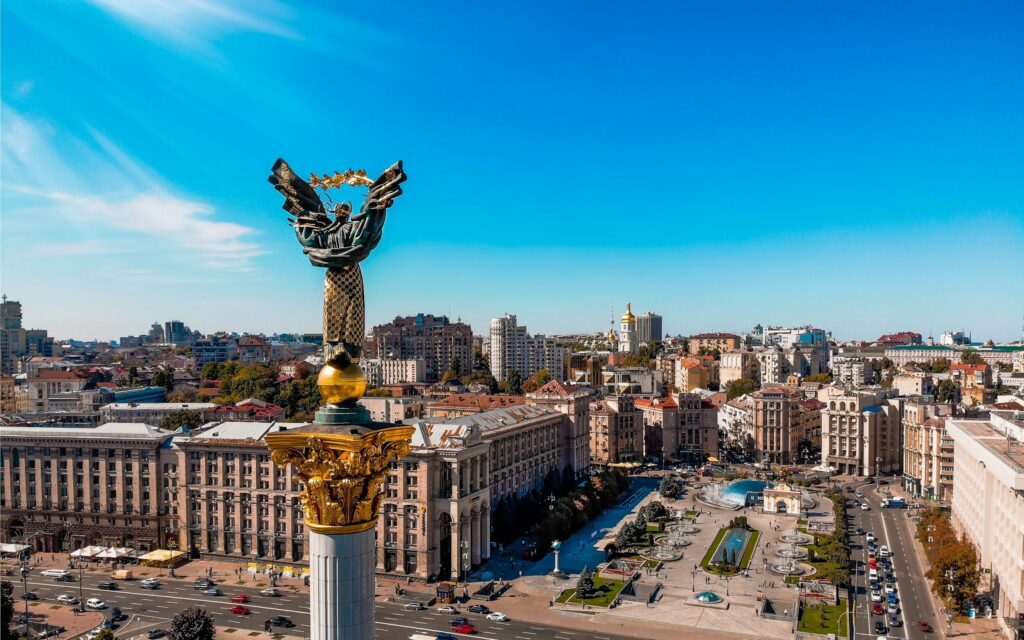
Table of Contents
Ukraine Today: A Country Living With War
Ukraine is still at war. This fact shapes everything. However, it is important to understand that the situation is not identical across the entire country. Some regions, particularly in the east and near the front line, remain extremely dangerous and are not accessible to ordinary visitors. Active fighting, missile strikes, and military operations continue there.
At the same time, large parts of central and western Ukraine function in a different rhythm. Schools operate, businesses remain open, public transport runs, and people continue their daily lives — always aware of security procedures, but not frozen by fear.
Traveling to Ukraine today means accepting contradiction: life continues, but always under limitation.
Getting to Ukraine From Europe, the U.S., and Canada
Routes and Transportation
There is one key reality every traveler must accept: no commercial flights currently land in Ukraine. Entry into the country is only possible by land.
Most travelers follow a similar route:
- Fly to a neighboring country such as Poland, Romania, Slovakia, or Hungary
- Cross the Ukrainian border by train, bus, or on foot
- Continue travel within Ukraine using ground transportation only
Ukrainian railways remain one of the most reliable ways to move around the country. Night trains still connect cities like Kyiv, Lviv, Poltava, and others. Schedules may change, but the system itself continues to function.

Entry Rules and Documents
Citizens of the EU, the United States, Canada, and many Western countries do not need a visa for short tourist stays in Ukraine.
That said, entry is not casual. Travelers must have:
- A valid passport (with sufficient remaining validity)
- A limited and clearly defined stay
- Travel and medical insurance
- Proof of sufficient financial means
National ID cards are not accepted. A passport is mandatory.
Because regulations can change, checking official embassy and government sources before departure is strongly advised.

Security Rules Are Not Optional
Travel safety in Ukraine is not theoretical. It is part of everyday planning.
Air Raid Alerts
Air raid sirens are common. They do not always signal immediate danger, but ignoring them is not an option.
Before settling into any accommodation, visitors should ask practical questions:
- Where is the nearest shelter?
- How quickly can it be reached?
- What procedures do locals follow during alerts?
Curfews and Restrictions
Some cities enforce curfews. Night movement may be limited. Visitors are expected to follow local rules without exceptions.
Cities That Remain Accessible
Kyiv
Kyiv remains the country’s political and cultural center. Despite the circumstances, daily life continues. Visitors will find:
- Historic neighborhoods
- Cafés and restaurants
- Cultural spaces
- Busy daytime streets such as Reitarska
Kyiv is also a place where people meet naturally — in everyday settings, without staging or commercial framing.
Lviv
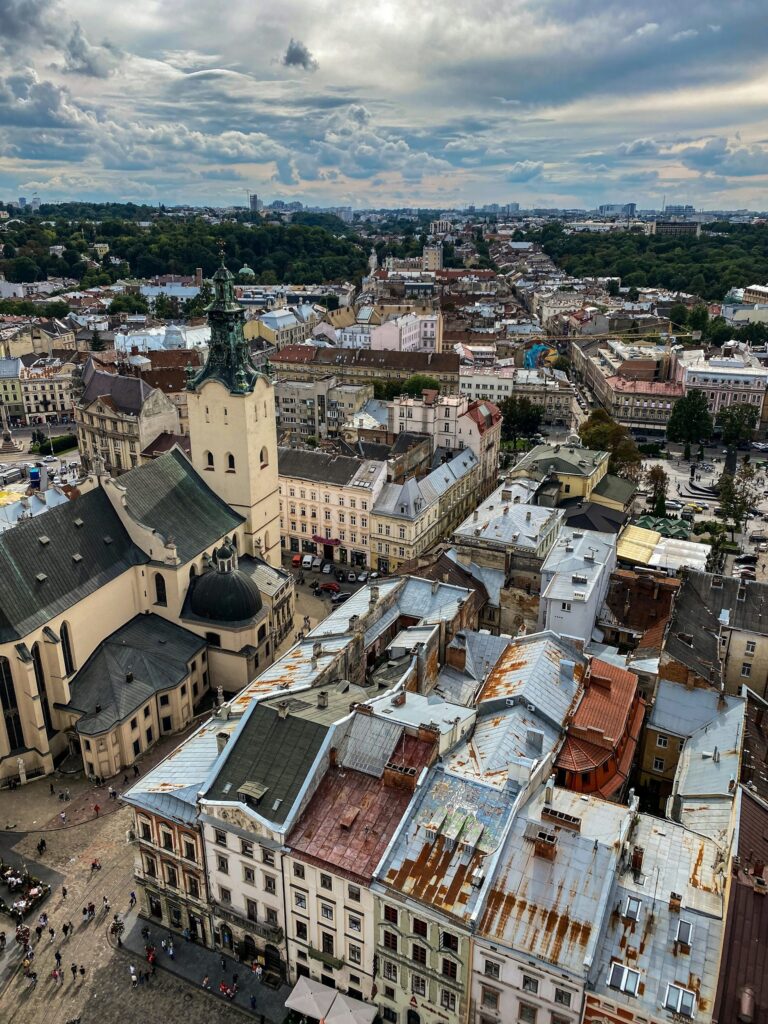
Lviv is often seen as one of the most approachable cities for foreign visitors. Its location near Central Europe, cultural atmosphere, young population, and architecture make it feel familiar to many Western travelers.
Central Ukrainian Cities
Cities like Poltava offer a quieter, more reserved view of the country. They are less shaped by tourism and often feel more local, more authentic.
Odessa
Odessa can still be visited under controlled conditions. However, it is also a city surrounded by heavy marketing narratives, especially related to dating and agencies. Visitors should remain cautious and distinguish promotion from everyday reality.
Cost of Living
Compared to Western Europe, the U.S., or Canada, daily expenses in Ukraine remain relatively low. Restaurants, public transport, and many services are affordable. Accommodation prices vary by city and location.
The local currency is the hryvnia (UAH). Cards are widely accepted in major cities, but having some cash is practical.
Meeting Ukrainian Women: What Is Realistic
Many travelers arrive with questions about meeting women in Ukraine. The honest answer is uncomplicated: real connections happen offline.
Cafés, cultural venues, shopping centers, social events, and mutual acquaintances remain the most natural ways people meet. Ukrainian women are not online personas or marketing images. They are individuals navigating work, family, and uncertainty like everyone else.
Online Platforms and Caution
Dating platforms and matchmaking agencies do exist. Some are legitimate, others are not. Exaggerated promises and emotional pressure are common online tactics.
Basic principles remain universal:
- Never send money
- Read independent reviews
- Avoid rushed emotional narratives
- Trust transparency over promises
Language and Cultural Awareness
Ukrainian is the official language. Russian is still widely understood, but its use can be sensitive depending on the context.
Respect matters. Listening matters. Judgment does not.
Practical Travel Mindset
- Plan carefully
- Rely on official sources
- Avoid eastern regions without professional support
- Focus on Kyiv, Lviv, and western areas
- Follow security guidance
- Remain humble toward local reality
Final Thoughts
Traveling to Ukraine in 2026 is intense, meaningful, and deeply human. It is not entertainment. It is observation, presence, and understanding.
Meeting people — including women — is possible, but only when approached naturally and without illusion. Ukraine is not a fantasy destination. It is a living country facing hardship with dignity.
Travel here requires more than curiosity. It requires respect.
FAQ
Is travel to Ukraine possible in 2026?
Yes, with preparation. Central and western regions remain accessible, while eastern areas should be avoided without specialized support.
Is it dangerous?
Risk depends on location and behavior. Planning and compliance with local rules are essential.
Do I need a visa?
Most Western citizens do not need a visa for short stays. A valid passport and insurance are required.
How do I get there?
By land via neighboring countries. No commercial flights operate.
Is it reasonable to meet women while traveling?
Yes, when expectations are realistic and interactions remain respectful and offline.