

What Is a Slavic Face: Features, Types, and Myths
13.03.2026
Vedic Astrology Dating: Kundli Matching, Moon Sign Insights, and Finding the Right Partner
16.03.2026Where Are Slavic Women From? Origins, Countries, and Cultures
Table of Contents
Quick Answer About Slavic Women
Where are Slavic women from? Mostly from Central Europe, Eastern Europe, and the Balkans—in Slavic countries where Slavic speakers have lived for centuries and where Slavic languages are widely spoken as a native language or official language.
The main regional clusters are: East Slavic areas (Ukraine, Russia, Belarus), West Slavs (Poland, Czech Republic, Slovakia), and South Slavs (Balkan states including North Macedonia).
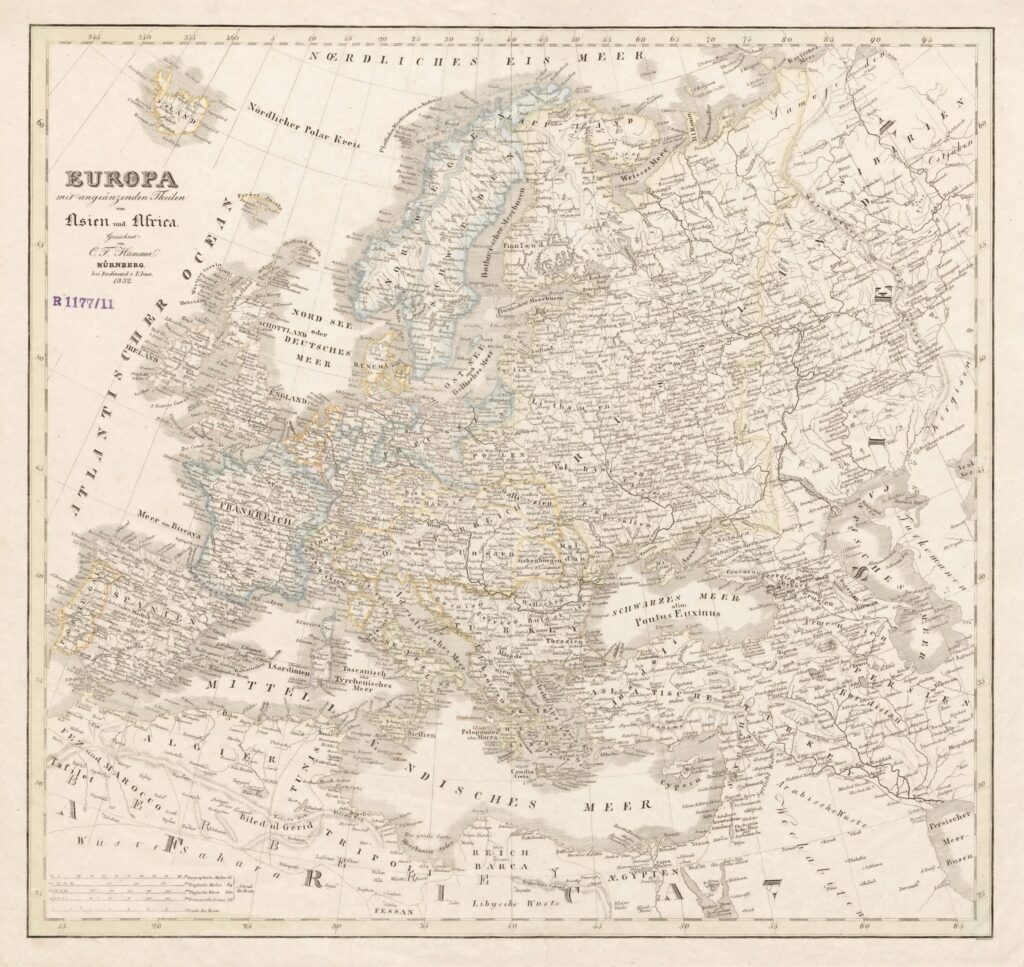
What “Slavic” Means
“Slavic” is best understood as an ethnolinguistic umbrella: Slavic people are linked by Slavic languages, shared historical roots, and overlapping Slavic cultures. Slavic languages sit inside the Balto Slavic branch of the wider Indo European languages (the larger Indo European language family).
Just as important: Slavic ≠ “Eastern European.” Eastern Europe is geography, and it includes non Slavic peoples and many different ethnic groups. A person can live in Eastern Europe and not be Slavic at all.
That’s why “Slavic women” is a broad category. It can describe women across many countries, with different faiths, alphabets, regional histories, and family traditions—sometimes even within the same country or across other countries in the same region.
The Three Main Slavic Groups
East Slavs
East Slavic countries (also called eastern slavic countries) are typically listed as:
- Ukraine (home to many Ukrainian women)
- Russia (including the modern Russian Federation)
- Belarus
This is often what people mean when they ask “where are slavic people from” or search “where are slavic women from” while browsing dating content or learning about history.
A quick reality check: diversity is huge. In Ukraine, features, accents, and customs vary by region and city. In Russia, the Russian population includes many groups across a vast territory shaped by the Russian Empire, the Soviet Union, and modern migration. People may speak Russian as an official language across multiple states, but speaking Russian does not automatically define someone as a Slavic person.
West Slavs
West Slavic countries are commonly:
- Poland (home to many Polish women)
- Czech Republic
- Slovakia
You’ll also see the phrase west slavic language used to describe language branches (for example Polish, Czech, Slovak). This area sits in Central Europe, where borders moved often and communities mixed with neighbors, including speakers of Germanic languages.
Cultural notes (without stereotypes): West Slavic societies tend to value directness in daily life, steady work ethic, and strong community ties, but individual personality always matters more than labels.
South Slavs
South Slavic (or south slavic) countries include:
- Bulgaria
- Serbia
- Croatia
- Bosnia & Herzegovina
- Montenegro
- North Macedonia
- Slovenia
The Balkans are a crossroads. Over centuries, people mixed through trade, empires, and shifting borders. That’s why Slavic populations in the region can look and live quite differently from one valley to the next.
A key point many people miss: religion varies. There are South Slavic communities connected to Eastern Orthodoxy, others to Roman Catholicism, and there are significant groups known as Muslim Slavs. In Bosnia, you’ll often hear about Bosnian Muslims (Bosniaks), who are a major part of the country’s identity. Mentioning this isn’t about labels—it’s about understanding real cultural landscapes.

Slavic Countries vs Slavic Minorities
One of the most confusing parts for readers is the difference between “a Slavic country” and “Slavic people living inside a non-Slavic state.”
Many states are multi-ethnic: country ≠ 100% Slavic. Borders changed through wars, empires, and migration. A person’s cultural identity can be language-based, family-based, regional, or self-identified.
Examples that help:
- Eastern Germany has a recognized Slavic minority known as the Sorbs.
- Border regions across Central and Eastern Europe often include mixed families and blended identities.
So when someone asks what is a slavic country, the clean answer is: it’s usually a state where Slavic languages are dominant and where Slavic peoples form a large share of the population—but reality is always more layered than a map.
Where Else Are Slavic Women From? (Diaspora)
Slavic women are also from large diaspora communities outside Europe. Major diaspora regions include:
- Canada and the USA
- Germany, the UK, France, Italy, Spain
- Israel, Australia, and parts of South America
- Some Slavic communities also exist in Central Asia (for example in Kazakhstan), shaped by 20th-century history.
Why diaspora matters for dating: language use can shift (some keep a Slavic native language, others don’t), family traditions can be stronger or weaker, and views on relationships can reflect a mix of Slavic culture and Western Europe norms.
Common Misunderstandings
“All Eastern Europeans are Slavs” (false)
Eastern Europe includes many non-Slavic groups. Quick contrasts:
- Hungary: language belongs to a Uralic group, not Slavic (it’s not part of the Slavic language family).
- Romania/Moldova: languages are Romance, related to Latin-based traditions.
- Baltic states: Baltic languages, distinct from Slavic languages.

“Slavic” as a “race”
Slavic is not a race. It describes an ethnolinguistic grouping shaped by language, history, and culture—not a single look or single genetic blueprint.
You’ll sometimes see people bring up genetic markers or genetic studies. Those can help historians understand population movement (how slavs migrated across regions), but genetics does not give you a simple checklist for personality, values, or relationship success.
How to ask respectfully (sample lines)
- “Where did you grow up—what city or region?”
- “What language do you speak at home?”
- “What does a serious relationship look like to you?”
- “How important is family approval in your life?”
Practical Mini-Guide: How to Talk About Origin Without Stereotypes
Do
- Ask about city/region, culture, and family traditions.
- Ask which language she prefers: her native language, English, or whether she grew up bilingual.
- Notice the person in front of you, not an internet label.
Don’t
- Don’t assume personality traits from nationality.
- Don’t use lines like “Slavic girls are all…”
- Don’t treat “all slavic countries” as if they share one dating script.
Respectful compliments that land well
- “I like your style—it feels confident and natural.”
- “You have a calm energy. I enjoy talking with you.”
- “You seem thoughtful. That’s attractive to me.”
(Compliments about values and presence age better than comments about “Slavic” looks.)

Conclusion: Summarize Where Slavic Women Are From
So, where are Slavic women from? Primarily from Slavic nations across Central Europe, Eastern Europe, and the Balkans—including East Slavs (Ukraine, Russia, Belarus), West Slavs (Poland, Czech Republic, Slovakia), and South Slavs (Bulgaria, Serbia, Croatia, Bosnia & Herzegovina, Montenegro, North Macedonia, Slovenia). There are also large diaspora communities in North America and Western Europe.
If you want to go deeper, the best next questions aren’t about labels. They’re about communication, expectations, family values, and whether two people can build trust in real life. Want to go deeper? Read our other articles about Ukrainian women—there you’ll find practical tips on communication, expectations, family culture, and long-distance dating, so you can build a healthy relationship step by step.
FAQ (Short, SEO-friendly)
Are Slavic women only from Eastern Europe?
No. Many are from Eastern Europe, but Slavic women also come from Central Europe and the Balkans, plus diaspora communities in Canada, the USA, and Western Europe.
Is “Slavic” a nationality?
No. It’s an ethnolinguistic label connected to Slavic languages and shared history.
What countries are considered Slavic?
Commonly listed Slavic countries include Russia, Ukraine, Belarus, Poland, the Czech Republic, Slovakia, Bulgaria, Serbia, Croatia, Bosnia & Herzegovina, Montenegro, North Macedonia, and Slovenia.
Are Ukrainians/Russians/Poles all Slavs?
These countries have large Slavic majorities, but every country also includes multiple ethnic groups. Identity can be cultural, linguistic, and personal.
Are all Eastern Europeans Slavs?
No. Hungary and Romania/Moldova are common examples of non-Slavic nations in the region, and Baltic states have Baltic languages.
Where do most Slavic diaspora communities live?
Large communities exist in the USA and Canada, and in Germany, the UK, France, Italy, Spain, Israel, Australia, and parts of South America.
How do I ask a woman about her background respectfully?
Ask about her city/region, language, and family traditions without assumptions. Keep it simple and genuine: “Where did you grow up?” and “What does a serious relationship mean to you?”